


Responding to Middle East Conflict Risks: Flexible Price Management and Crude Oil Export Controls
-
Author:
 07/03/2026
Restricting crude oil exports, prioritizing domestic stockpiling, and flexibly managing selling prices are critical solutions to safeguarding national energy security amid escalating tensions in the Middle East.
As global crude oil and petroleum product prices surge due to the Middle East conflict, limiting crude exports, prioritizing domestic reserves, and adopting flexible pricing mechanisms are essential measures to ensure adequate fuel supply and national energy security.
Supply Disruptions and Oil Price Volatility
The Strait of Hormuz is the world’s most critical energy transit chokepoint, connecting major Gulf oil producers with global consuming markets, particularly Asia. According to the U.S. Energy Information Administration (EIA), approximately 20 million barrels per day (bpd) of crude oil and condensate transit through the Strait of Hormuz - equivalent to nearly 20% of global oil consumption and over 25% of total seaborne oil trade.
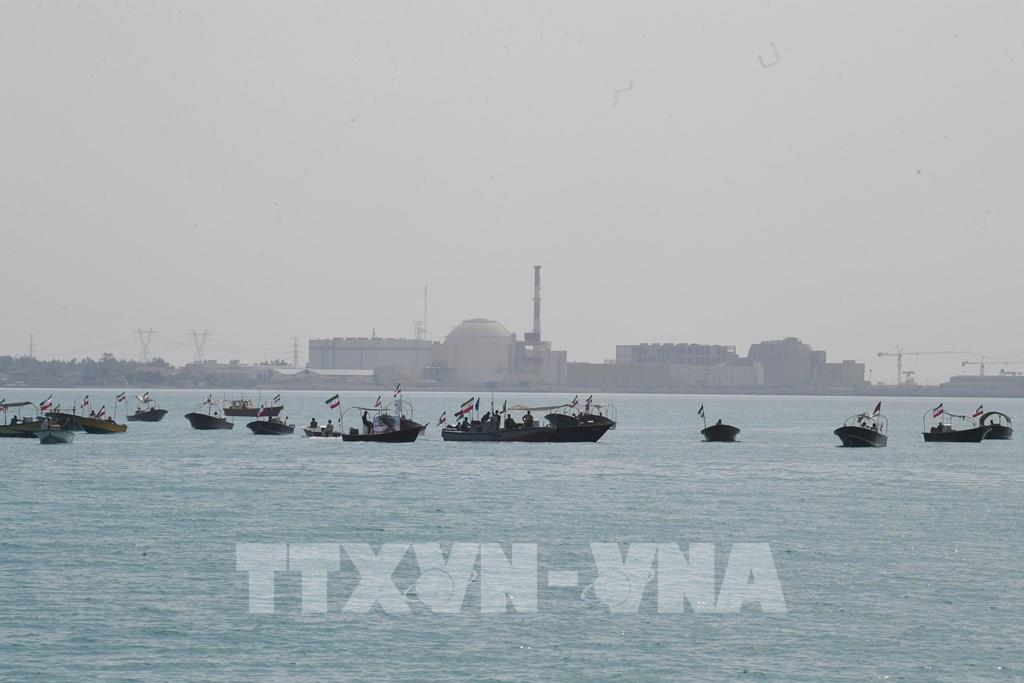
Notably, around 84% of oil flows through Hormuz are destined for Asian markets, making the region the most directly and rapidly affected by any disruptions.
Although major oil-exporting countries such as Saudi Arabia and the UAE operate bypass pipeline systems, their combined alternative capacity is only about 2.6 million bpd - insufficient to fully offset a severe disruption of maritime traffic through Hormuz.
Consequently, any transport interruption would significantly impact oil price premiums, logistics costs, maritime insurance, and the supply stability of refineries in Asia.
According to assessments by the International Energy Agency (IEA) and various analytical institutions, the market remains relatively well supplied; therefore, current price volatility largely reflects risk premiums and logistics concerns rather than physical shortages. Experts from Barclays and Reuters consensus note that a disruption of just 1 million bpd could eliminate the current global surplus.
On February 28, J.P. Morgan reaffirmed its 2025 risk framework: if Iran’s 2.1 million bpd output were disrupted, Brent crude could immediately surge toward USD 120 per barrel. Goldman Sachs similarly warned of limited global spare production capacity. With OECD commercial inventories at low levels, any real supply disruption of 1 million bpd or more could add at least USD 20–25 per barrel to prevailing prices.
From a logistics perspective, S&P Global and Reuters have cautioned that war-risk insurance premiums for tankers transiting the Strait of Hormuz could spike by 300–500%.
Activating Domestic Crude Oil Stockpiling Priorities
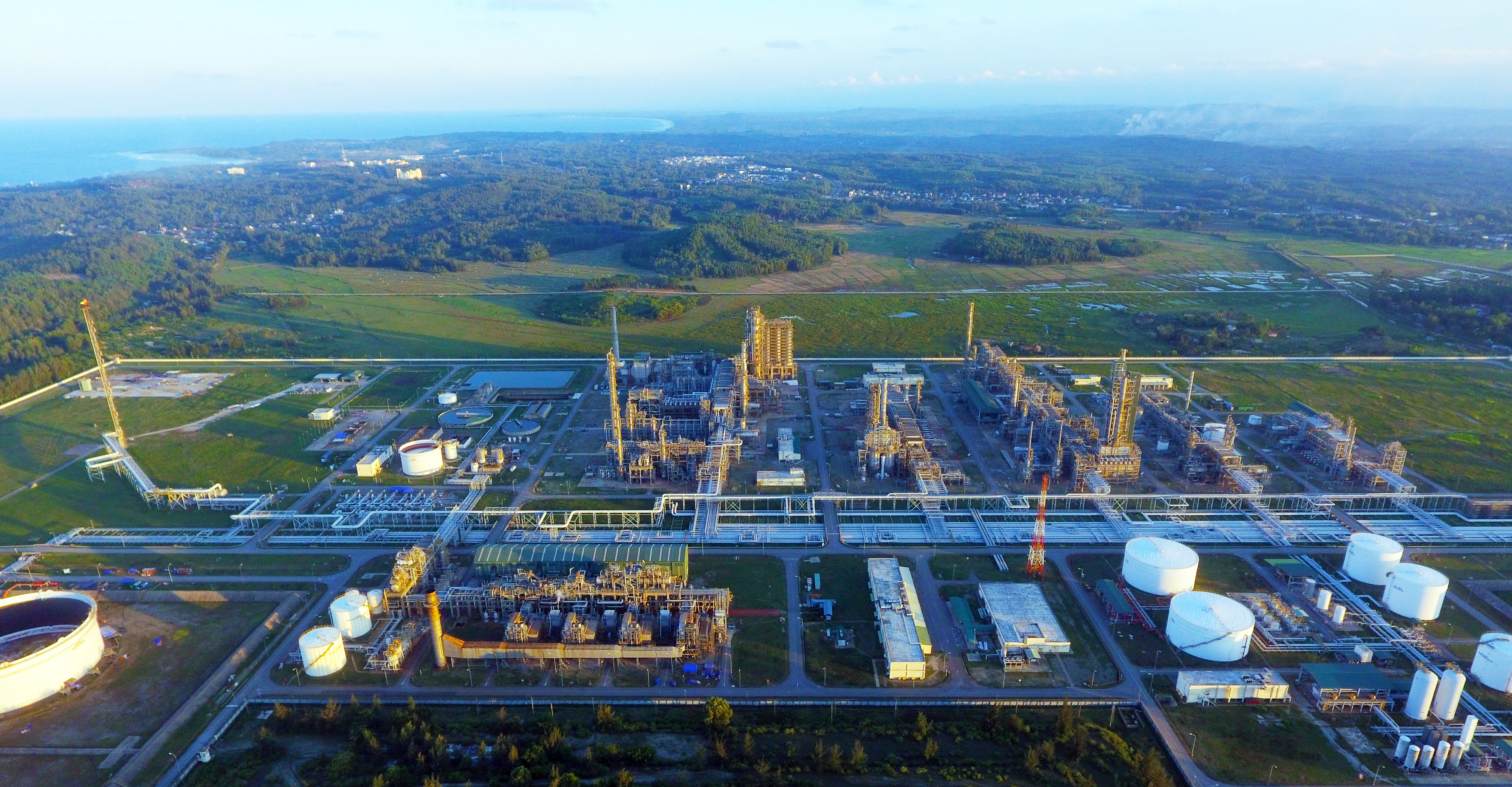
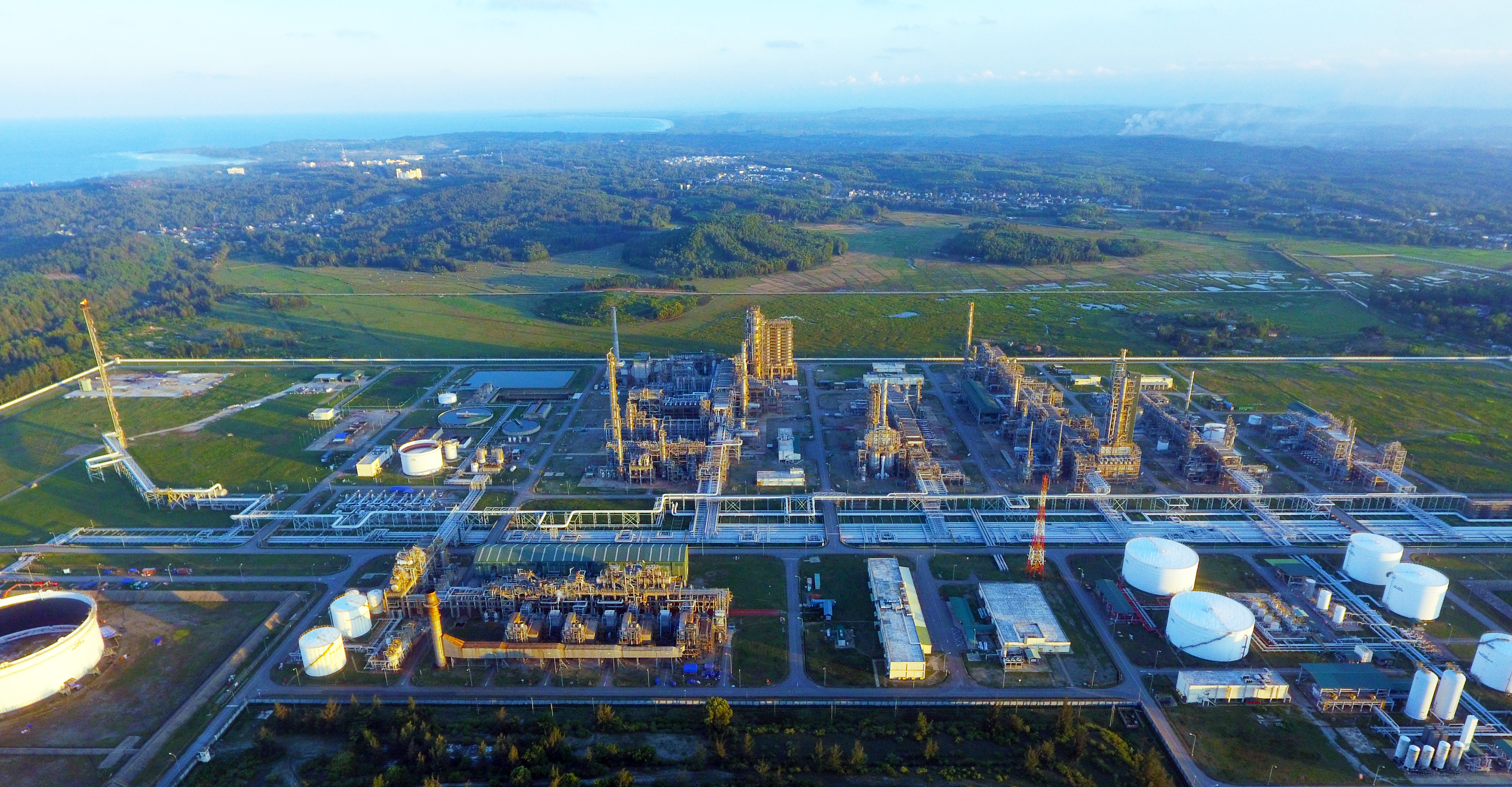
According to BSR CEO Nguyen Viet Thang, the refinery currently uses 30–35% imported crude feedstock, primarily sourced from West Africa, the Mediterranean, the United States, and partly from the Middle East. If the conflict persists, crude prices, surcharges, freight rates, and insurance premiums may continue rising sharply, increasing input costs and financial risks.
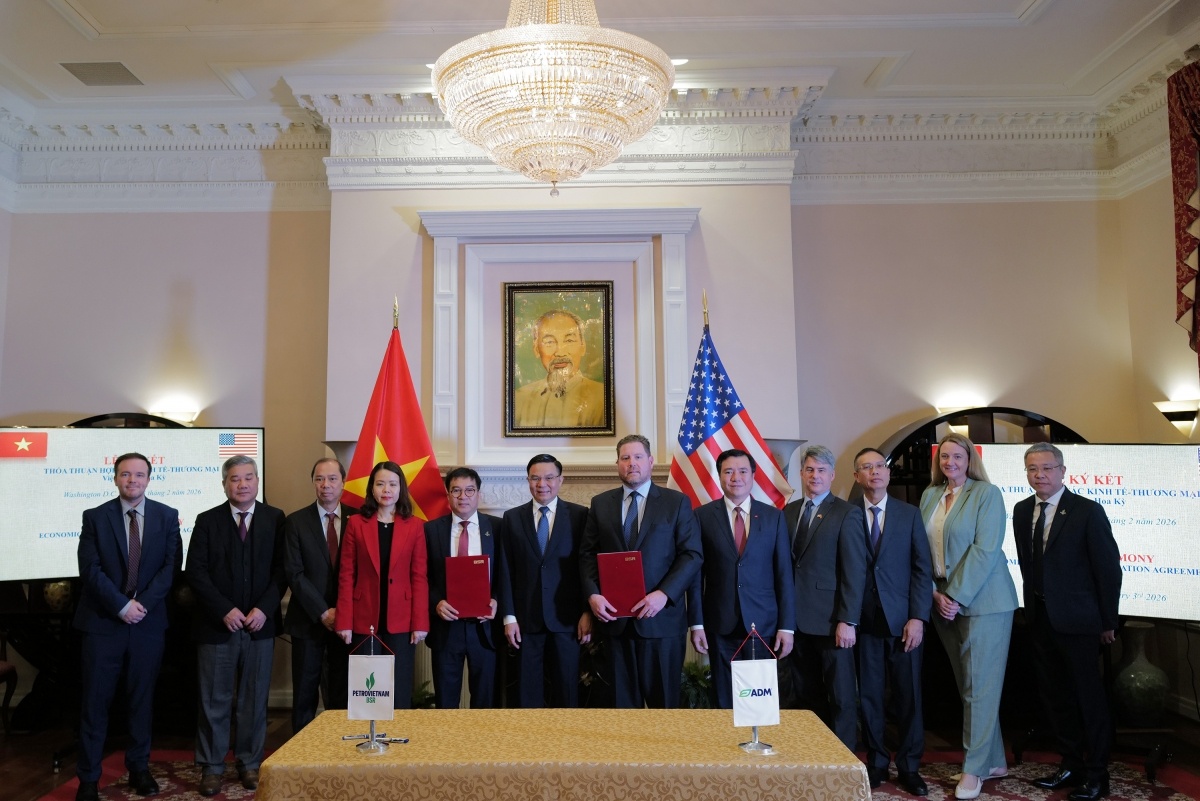
Since early 2026, in preparation for double-digit growth targets and to proactively respond to global uncertainties and climate-related impacts, BSR has raised inventory levels, flexibly adjusted production in line with market demand, and diversified crude supply sources. Following directives from the Ministry of Industry and Trade and Petrovietnam, BSR signed crude supply agreements with ExxonMobil and Chevron to ensure stable supply and help narrow the Vietnam–U.S. trade imbalance.
From March to May 2026, BSR contracted approximately 3 million barrels of imported crude (including Qua Iboe, Bu Attifel, Medanito, and Palanca Blend). Although these sources are outside the direct conflict zone, geopolitical tensions could still indirectly affect delivery schedules, freight costs, insurance, and maritime safety.
With additional spot purchases estimated at 900,000–1 million barrels in May and 1–1.3 million barrels in June 2026, operating the refinery at 118–120% capacity would face significant pressure in terms of pricing and cargo accessibility.
In February, BSR also procured high-octane gasoline blending components; however, due to tight supply and strong market volatility, it could not secure the full planned volume, affecting its March production expansion plan. To achieve a minimum equivalent capacity of 120% (including crude and intermediate feedstocks), BSR is actively seeking additional supplies for March–April 2026, increasing procurement pressure amid unfavorable market conditions.
Another risk lies in potential supply chain disruptions if certain countries restrict exports to prioritize domestic demand, amid volatile shipping and insurance markets and extended delivery times. These factors may directly impact refinery operations, particularly in late Q2 and early Q3 2026.
In times of geopolitical instability in the Middle East, demand for domestic crude typically rises, intensifying competition in international tenders for Vietnamese crude.
To mitigate the risk of crude shortages that could force the Dung Quat Refinery to cut capacity or fail to meet assigned targets, BSR has proposed that authorities and Petrovietnam prioritize allocating maximum domestically produced crude oil and condensate to BSR. A temporary mechanism should also be applied to prioritize domestic crude for Dung Quat’s refining operations and limit crude exports during peak risk periods (through end-Q3 2026 or until the international market stabilizes), thereby ensuring national energy security.
To secure sufficient feedstock for May–June 2026 operations, BSR has proposed direct purchases from the Ruby, Bunga Orkid (BO), and Chim Sao fields at the highest recent bid prices as an emergency solution to guarantee timely supply amid strong market volatility.
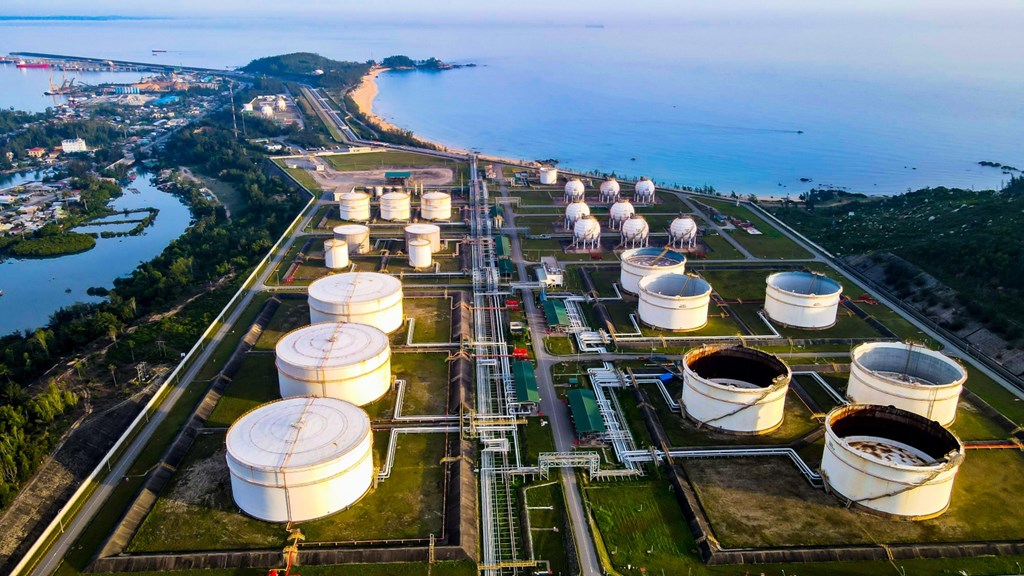
According to Nguyen Thuong Lang, Associate Professor and senior lecturer at the Institute of International Trade and Economics, National Economics University (NEU), when global oil prices rise, Vietnam’s fuel import costs will almost certainly come under upward pressure. This will not only affect domestic retail fuel prices but will also spread to transportation, production, logistics costs, and the overall price level of the economy.
Therefore, Vietnam needs to pay special attention to its stockpiling strategy in order to significantly mitigate cost shocks when the market enters a period of sharp increases. Delays in building reserves could cause import costs to escalate rapidly, thereby reducing the government’s room for domestic price management.
Nguyen Thuong Lang also suggested that the Government should promptly develop official forecasting scenarios based on worst-case assumptions for oil prices. Early preparation will help regulators avoid being caught off guard by strong market volatility while providing a foundation for policy decisions on reserves, market regulation, and maintaining social stability.
For the oil sector, a long-term stockpiling strategy should be seriously considered, combined with instruments such as forward purchasing contracts and futures contracts. At the same time, diversifying energy sources and reducing reliance on imports from high-risk regions is essential. This also presents an opportunity to accelerate the transition toward cleaner and alternative energy sources, helping reduce cost pressures while aligning with long-term development trends.
Flexible Domestic Price Management
Vietnam Oil Corporation (PVOIL), the second-largest petroleum wholesaler in Vietnam, stated that under normal conditions, 80% of its supply comes from Dung Quat and Nghi Son refineries, with the remaining 20% imported mainly from Singapore and South Korea.
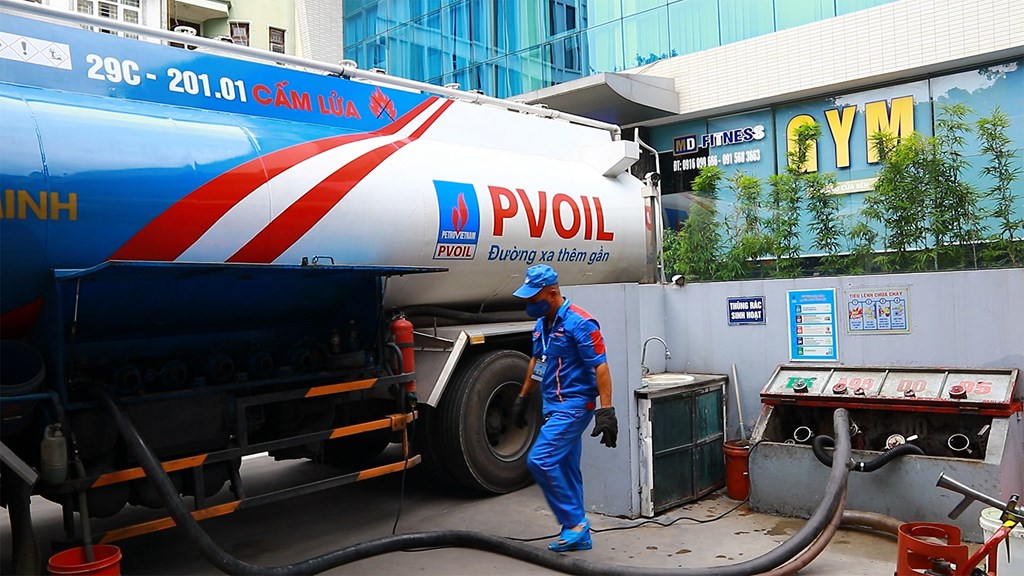
PVOIL has signed long-term contracts with both domestic refineries and international suppliers to ensure national fuel supply. In recent days, PVOIL worked with leadership from both refineries, which confirmed their ability to deliver committed March volumes due to existing crude inventories.
However, supply in April and May will depend heavily on the conflict’s evolution. Therefore, domestic fuel price management during wartime conditions must remain flexible, fully accounting for import costs and surcharges. This would ensure that wholesalers maintain sufficient financial capacity to import and supply fuel, thereby safeguarding national energy security.
The Russia–Ukraine conflict in early 2022 demonstrated that when global oil prices spiked sharply while domestic prices were not adjusted promptly, import prices exceeded selling prices. As a result, private wholesalers suspended imports to avoid losses, leading to localized shortages. At that time, ensuring domestic supply fell largely to state-owned enterprises - PVOIL and Petrolimex - instead of the 33 licensed wholesalers as stipulated.
In the face of heightened geopolitical risks, proactive stockpiling, diversified supply sourcing, temporary export controls, and flexible price management constitute critical pillars for maintaining Vietnam’s energy security and stabilizing its macroeconomic environment.
Keywords